

Smarter vehicle leasing solutions for New Zealand businesses
Explore flexible leasing options, expert fleet management, and tailored funding strategies designed to reduce costs, improve cash flow, and support your sustainability goals.
Tailored leasing strategies to fit your fleet
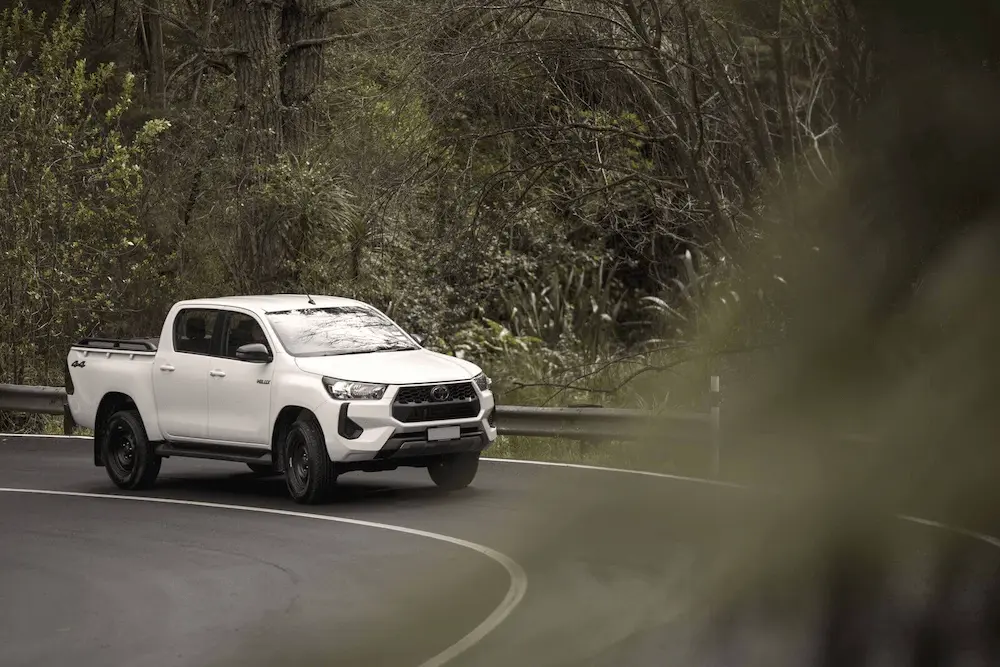
Whether you're looking to free up capital, streamline administration, or gain expert support in managing your fleet, our team will work with you to design a leasing solution that fits.
From operating leases to finance leases and sale-and-leaseback options, we help you choose the right funding model to maximise value and minimise risk.
Explore the right leasing and funding model for your needs
Operating Lease
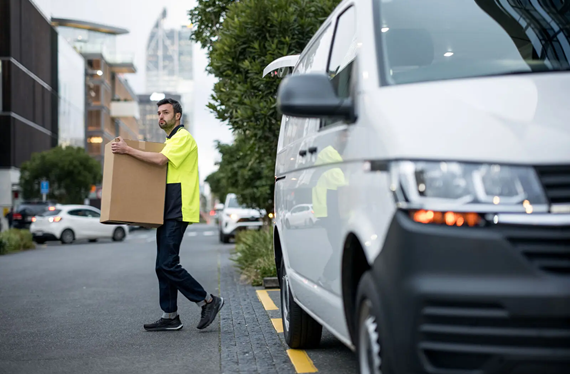
An operating lease is a simple, efficient way to fund your fleet while keeping vehicles off your balance sheet. With a fixed monthly payment, you gain access to vehicles along with essential services such as servicing, maintenance, registration, and more—all bundled into one predictable cost.
At the end of the lease term, the vehicle is returned to SG Fleet, and your organisation has no exposure to residual value risk.
This leasing model is ideal for organisations looking to:
- Free up capital for other priorities
- Reduce administrative burden by outsourcing fleet management
- Maintain flexibility with scalable, tailored solutions
Our operating lease is the most popular funding option among our clients due to its simplicity, cost-effectiveness, and ability to streamline fleet operations.

Finance Lease
A finance lease gives your organisation the flexibility to use vehicles without the upfront capital outlay of ownership. SG Fleet purchases the vehicles on your behalf, and you pay fixed monthly instalments over the lease term.
At the end of the lease, you have several options:
- Purchase the vehicle by paying the final instalment and balloon payment
- Trade it in for a new vehicle
- Refinance the residual value and continue leasing
Finance leases are ideal for businesses that want:
- Low or no deposit terms
- Potential tax advantages (subject to your organisation’s tax status)
- The option to own the vehicle at the end of the lease
This structure offers flexibility and control while spreading costs over time.
Sale and Leaseback
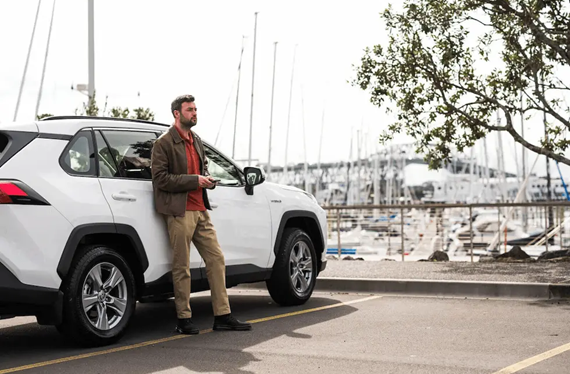
If your organisation already owns its fleet, a sale and leaseback arrangement can unlock capital and reduce administrative overhead. SG Fleet purchases your existing vehicles and leases them back to you under a structured agreement.
This approach allows you to:
- Free up capital tied up in depreciating assets
- Eliminate ownership and residual value risk
- Simplify budgeting with fixed monthly costs
- Access expert fleet management and strategic advice
It’s a smart way to transition from ownership to leasing while gaining the benefits of professional fleet support and improved financial flexibility.
Frequently asked questions
Leasing lets your business use a vehicle for a fixed monthly payment over an agreed term with no upfront payment required, instead of buying it outright. SG Fleet funds or owns the vehicle, and you pay a set amount each month to use it. Many of the running costs – such as servicing, maintenance, registration and road user charges (RUC) - can be bundled into that single payment, so your team is not managing each one separately. At the end of the term you either hand the vehicle back (an operating lease) or have options to buy, trade or refinance it (a finance lease). It suits New Zealand businesses that want predictable costs and less administration without tying up capital in a depreciating asset.
There is no single price - every lease is built around the vehicle you choose and the way your business will use it, so the monthly payment reflects a handful of cost drivers rather than a fixed rate.
The payment covers funding the vehicle plus any services you bundle in; SG Fleet arranges the procurement, funding and management, while your business chooses the inclusions and runs the vehicle day to day.
The main things that alter the monthly amount are:
The vehicle itself - purchase price, make, model and options.
The lease term - a longer term generally lowers the monthly payment.
Expected annual kilometres - higher distances lift the cost.
The contracted residual value assumed at the end of the term - a higher residual lowers the monthly payment.
The services you bundle in, such as servicing, maintenance, tyres, registration, RUC, insurance and roadside assistance.
Because each lease carries its own inclusions, exclusions and optional add-ons, the accurate figure for your fleet comes from a conversation with our team about how the vehicles will be used.
The main difference is who owns the vehicle at the end of the lease term and who carries the obligation for the residual value risk. With an operating lease you pay to use the vehicle for the agreed term with running costs typically bundled into the payment and then return it to SG Fleet at the end, with no residual value exposure. With a finance lease, SG Fleet owns the vehicle during the lease term and you pay it off in fixed instalments, then choose to buy it, trade it in or refinance the residual at the end. Operating leases suit businesses wanting predictable costs, regular vehicle replacement, less administration and no end-of-term exposure; finance leases suit those who want greater control and longer term use of the asset. For a full breakdown, see our guide to operating lease or finance lease.

Lease or buy? Let’s find the right fit for your fleet.
Deciding whether to lease or buy your vehicles depends on your organisation’s financial goals, operational needs, and appetite for risk. At SG Fleet, we help you make the right choice—whether that’s an operating lease, finance lease, or outright purchase.
For many businesses, leasing offers a smarter, more flexible alternative to ownership. It allows you to:
- Avoid asset ownership and depreciation risk
- Maintain predictable, fixed operating costs
- Improve cash flow and preserve capital
- Boost your balance sheet and financial agility
If financial stability, cost control, and operational efficiency are priorities, leasing can be a powerful strategy.
Want to see how much you could save?
Get in touch today for a tailored assessment of your fleet funding options.
The benefits of leasing with SG Fleet
Known, fixed costs
Off balance sheet advantage
Conserve capital
Improved cashflow
Tax advantages
Regular vehicle upgrades
Volume-based discounts
All-in-one solution
Driving Insights
Lifecycle costs, also known as total cost of ownership, includes all vehicle related expenditure associated from purchase to sale.

How do you know if an operating lease is better than a finance lease when it comes to securing cars for your business’s vehicle fleet?

To answer the important vehicle financing questions that we cover here will help you minimise your mobility costs.
Ready to optimise your fleet? Let's talk leasing.
Whether you're looking to reduce costs, improve cash flow, or transition to a more sustainable fleet, SG Fleet has the expertise and solutions to help. Our team can assess your current setup and recommend the best leasing strategy tailored to your organisation’s goals.
Take the first step toward smarter fleet management today.