


Fit for purpose: building fleets that perform
By SG Fleet | 11 November 2026
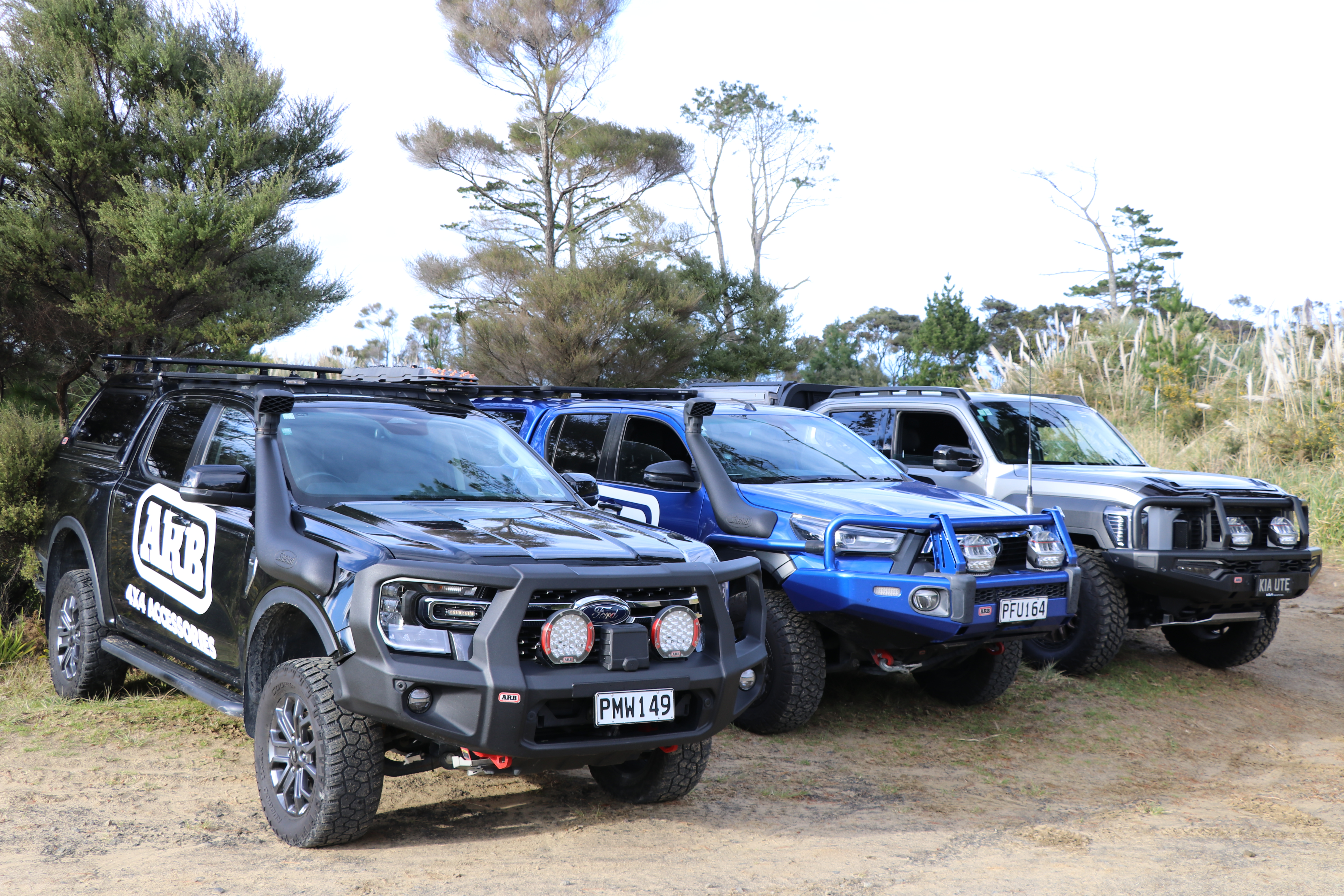
Water crossings, soft sand, and uneven terrain aren’t conditions most fleet managers encounter every day. Yet for many organisations operating in construction, utilities, agriculture, forestry, and infrastructure, these environments are a routine part of business.
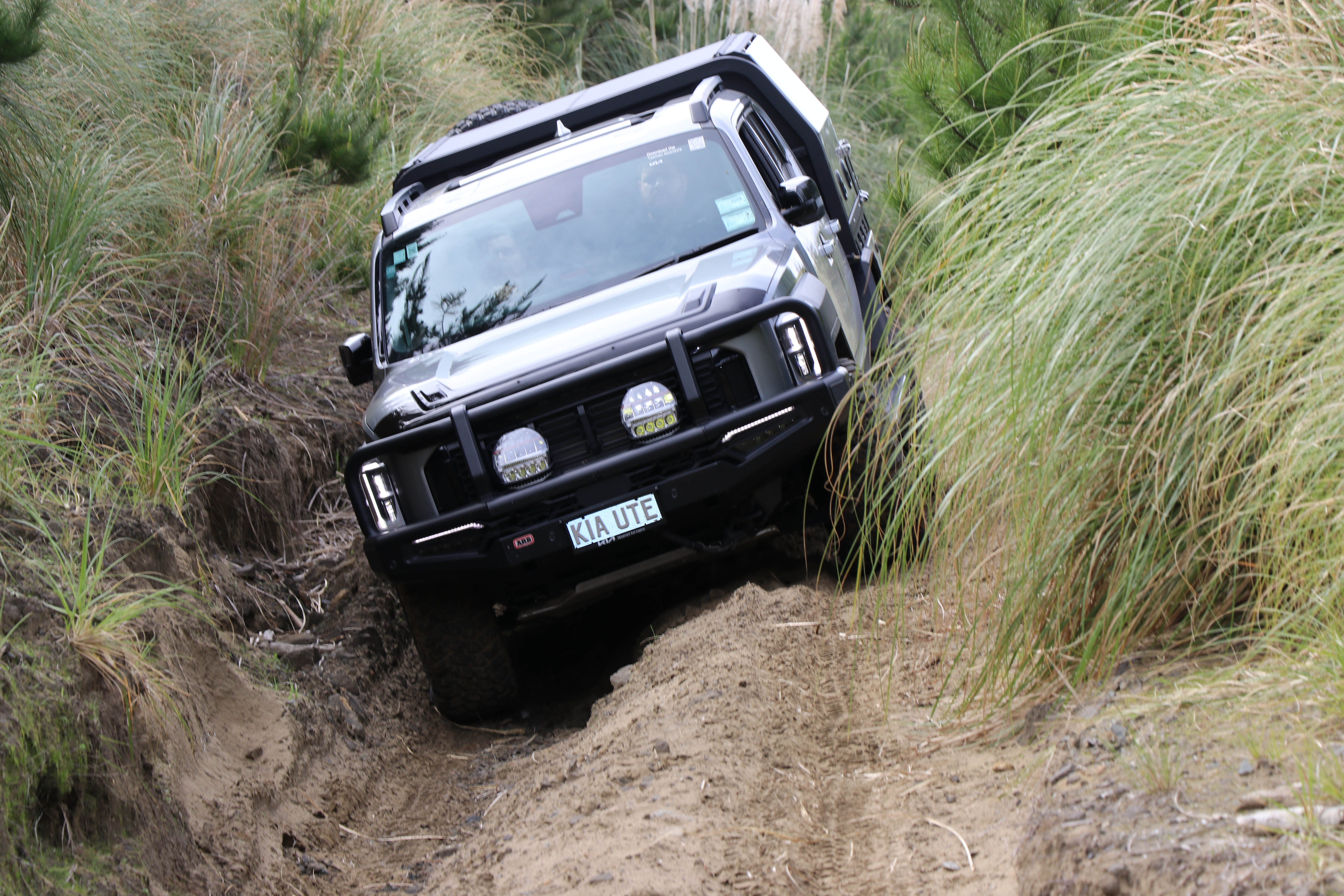
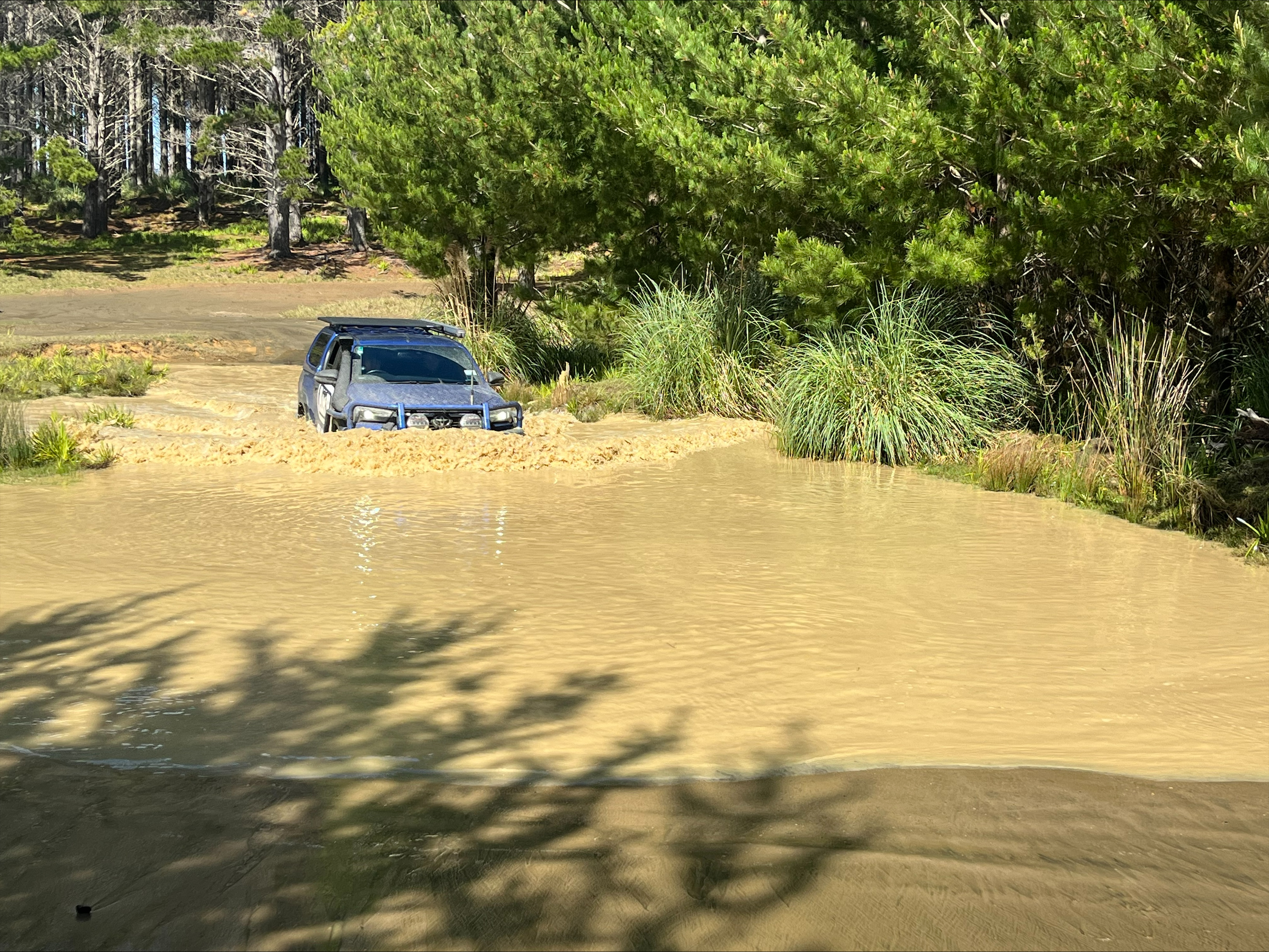
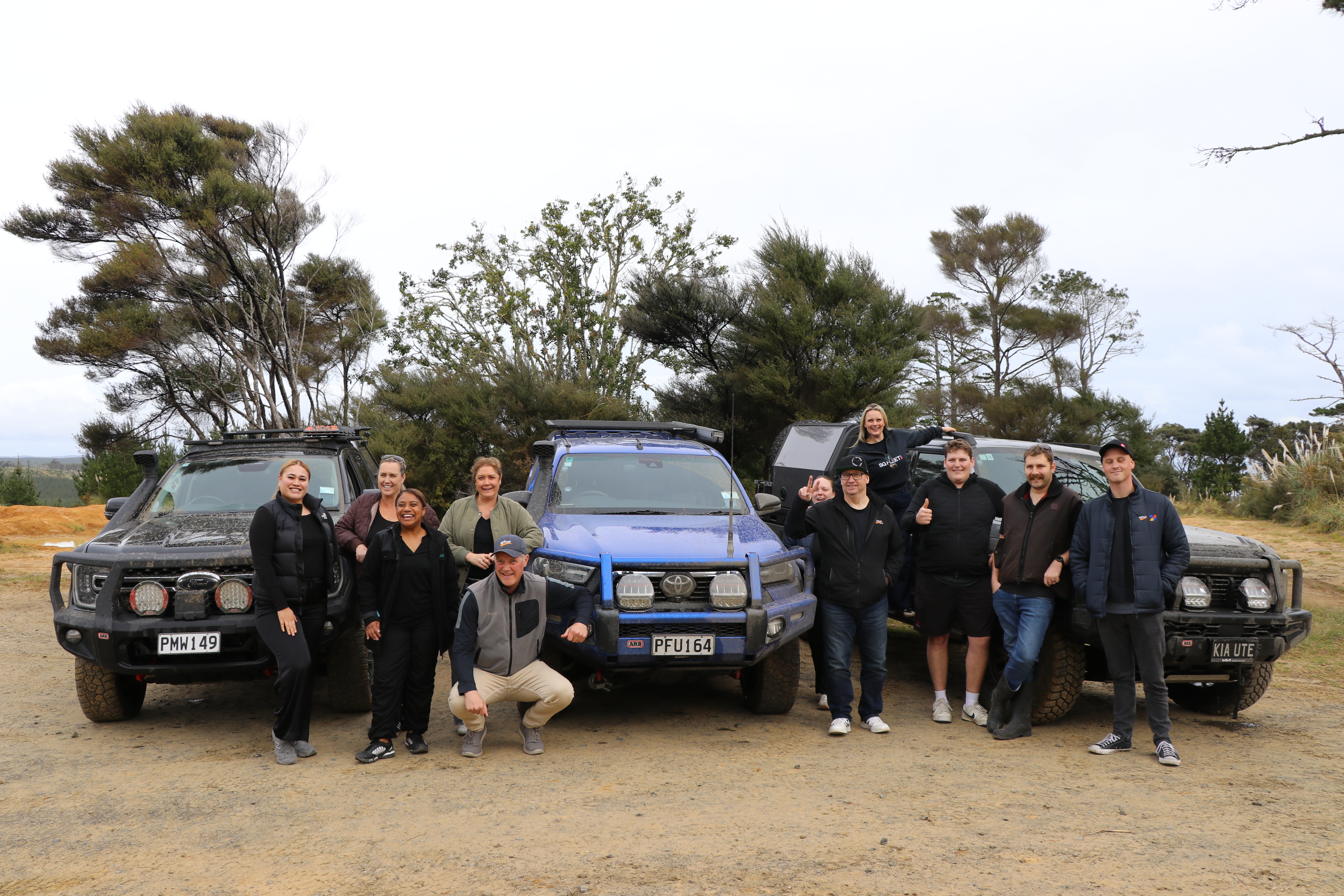
Recently, our team joined ARB for an off-road adventure at Woodhill Forest to put a range of vehicle accessories through their paces. The experience reinforced an important lesson: the right vehicle specification can make a significant difference to safety, productivity, and total cost of ownership.
Why real-world testing matters
Vehicle manufacturers and suppliers provide extensive technical information, but real-world environments often reveal challenges that are difficult to appreciate in a brochure or on a website.
As Bryce Grove, National Manager Trade Operations at SG Fleet explains: “There’s no substitute for seeing products perform in the environment they were designed for. Real-world testing gives us confidence that we’re recommending solutions based on practical experience.”
The challenging terrain gave us the opportunity to get familiar with a range of ARB products, including:
- Nitrocharger and MT64 suspension systems - delivered impressive control, comfort, and vehicle stability
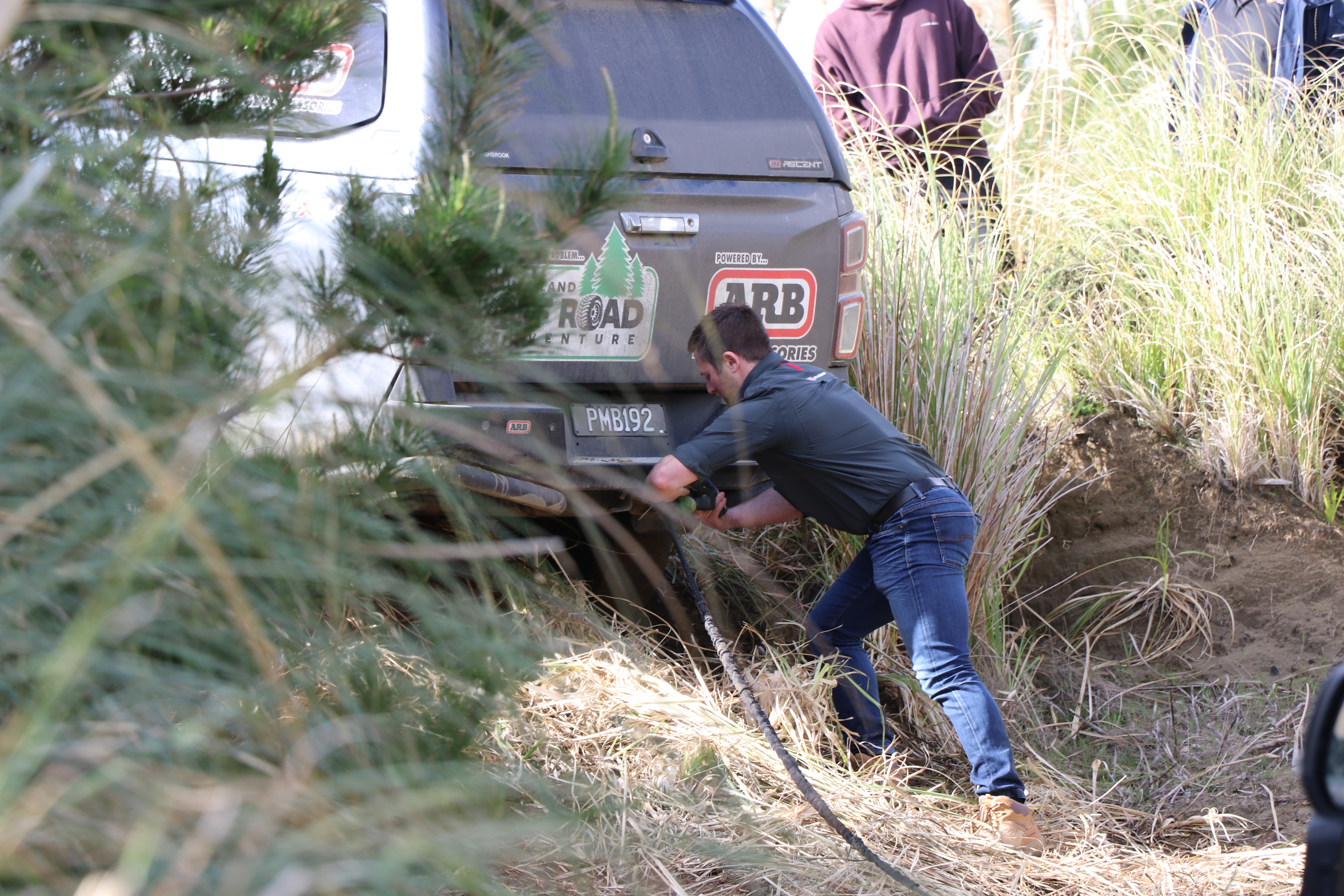
- Covert winch – proved invaluable in making recoveries quick, safe, and straightforward
- Steel under vehicle protection – shielding vital components from impacts while allowing drivers to tackle obstacles with confidence
- Safari snorkel – raising the air intake point well above standard, whether splashing through water, dust, or sand
- Floor mats – protecting interiors from the mud, sand, and water
- Summit MKII bull bars and Spartan SmartBar – front end protection from bush and vegetation
- Ascent and Classic canopies and the Mits Alloy Service Body – all provided secure and functional storage for tools and equipment
The hidden cost of being under-prepared
When organisations evaluate fleet requirements, there can be a lot of importance placed on the upfront cost of the vehicle. However, the true cost of a vehicle is measured over its lifecycle. A vehicle that isn’t suited to its operating environment can lead to increased maintenance, lost productivity, unplanned downtime, and avoidable operational disruption.
Bryce notes, “Fit-for-purpose specification is often one of the most effective ways of reducing whole-of-life fleet costs.”
Our 4WD experience highlighted just how quickly challenging conditions can expose a vehicle’s limitations. Seeing the vehicles perform in real-world environments demonstrated the role the right accessories can play in protecting assets, improving capability, supporting driver safety, and reducing unnecessary wear and tear.
Building vehicles for the jobs they actually do
At SG Fleet, we begin with understanding how vehicles are used; evaluating the operating environments, payload requirements, driver needs, and business objectives, to help our clients develop specifications that are fit-for-purpose and aligned to operational demands.
As vehicle technologies and aftermarket solutions continue to evolve, access to specialist expertise is increasingly important. Strong supplier relationships provide access to technical knowledge, practical insights, and emerging technologies that help organisations make informed fleet decisions.
Kimberley Gargiulo, Head of New Zealand at SG Fleet, explains: “Our supplier relationships are fundamental to our business. They offer expertise, innovation, technical support, and access to emerging solutions. By building these partnerships, we can keep across new products and technologies and create tailored solutions for our clients.”
These relationships allow us to help our clients navigate a complex fleet environment and make decisions with confidence.
Supporting better fleet outcomes
While few fleet operators will find themselves navigating the terrain of Woodhill Forest on a daily basis, the lessons are relevant across a range of industries.
Understanding how vehicles and equipment perform in real-world conditions helps us support our clients to build safer, more productive, and more resilient fleets. It reinforces the importance of looking beyond the purchase price to consider operational requirements, lifecycle costs, and business risks.
Through ongoing collaboration with our industry partners and hands-on evaluation of solutions, we continue to develop the practical insights needed to help our clients make informed decisions.
Ultimately, successful fleet management isn’t about finding a vehicle that can do everything. It’s about ensuring every vehicle is equipped to do the job it’s intended to do safely, efficiently, and reliably.
Looking to upgrade your fleet?
Speak with one of our fleet specialists to explore the right vehicles, pricing and solutions for your business.
Learn more